Thursday, January 17, 2019
Tuesday, August 29, 2017
Fake Food Scandal Continues to Rock China
High profile food scandals have rocked China in recent years. The Chinese government has made a massive effort to clean up the food system in the face of growing public discontent. But in an undercover investigation, Al Jazeera has discovered food producers are still engaging in illegal and often horrific practices to cheat consumers. Al Jazeera's Steve Chao reports from Guangzhou.
Source: Al-jazeera News
Source: Al-jazeera News
Tuesday, November 29, 2016
5 Cancer Causing Children's Snacks Made From Petroleum
5 Cancer Causing Children's Snacks Made From Petroleum
Pop Tarts
Frosted strawberry, includes ingrediants such as corn syrup, dextrose, sugar and high fructose corn syrup. All which have been linked to sugar addiction, diabetes and liver problems in children.
M&M's
M&M contain Blue 1, which can trigger the development of malignant tumors. Blue 2, which can increases hyperactivity and has been linked to brain tumors. Red 40 which can damage DNA. Yellow 5, 6 which have been linked to cancer.
Fruit Snacks
The food color most often used in these ''fruit" flavored snacks is Red 3 or erythrosine. It is unsafe to use on your skin, but eating it is no problem?
Cheetos
The artificial coloring in this snack is made from Yellow 6, which is derived from petroleum, as is the "cheese" flavoring which includes methyl benzoate and ethyl methylphenidate
Teddy Grahamas
These tiny bears are laced with TBHQ, which has also been shown to cause stomach cancer in lab rats, fragment DNA and cause damage to the human and umbilical cells. In children, it can cause anxiety, resentlessness, and intensify the symptoms of ADHD
Wednesday, February 17, 2016
10 Toxic Foods Made In China That Are Filled With Plastic, Pesticides And Cancer Causing Chemicals
Recently I was reading an article on AltHealthWorks.com about a fake rice being produced in China. The rice is being made out of plastic believe it or not and no one is doing anything about it. Naturally, as a health advocate and researcher of food and how food is processed I thought to myself, this is going WAY too far.
Plastic rice? Ingesting even small amounts of plastic is horrible for the digestive system and hormones. The BPA (chemical) in plastic mimic’s estrogen and this hormone skyrockets in the body when BPA is ingested. Ingest plastic rice and you’re basically asking to die young of breast cancer.
Every once in a while I would hear something crazy from China like this and was always weary of food from China for this reason. You have to think, not only is the food being shipped from the other side of the world (just think of what could happen during that time and possible exposure or contamination) but beyond that look at what certain Chinese companies are doing to food. Making it fake, and as cheap as humanly possible. China is using their innovative methods that they use to make cheap technology products, toys and other consumer products and applying that mindset to food, which is absolutely dangerous.
1.TILAPIA FISH:
Tilapia is commonly fish-farmed in China. These fish are some of the worst, most toxic and unhealthy fish that you can come across. A tilapia fish will eat anything, comparable to a bottom-feeder fish and fish farming is a small pool of waste water that the fish live in. It’s one of the worst fish purchases you could buy and it’s commonly known that in China the sea-food farmers won’t even let their children eat the seafood that they farm, that should tell you something. 80% of the Tilapia in America come’s from China.
2. COD FISH:
Cod is another type of fish that is fish farmed in China. This fish is not healthy and lives in it’s own waste. Currently just over 50% of American Cod come’s from China.
3. CHINESE APPLE JUICE:
Believe it or not approximately 50% of the apple juice sold in the United States come’s from China. China is the LARGEST pesticide producing country in the world and they haven’t even begun to address pesticide or chemical residue on foods. I recommend completely avoiding apple juice, for yourself and your children. Fruit juice is too rich in sugar and is better mixed with vegetable juice for your blood sugar levels.
4. PROCESSED MUSHROOMS:
US inspectors have found tainted mushrooms from China. Some manufacturers in China go so far as to label these processed mushrooms organic to increase their profits. If you do a google search you’ll find that there are many “mystery mushrooms” in China, completely fake. 34% of processed mushrooms are from China. Do your best to know your source, buy local and true organic!
5. CHINESE GARLIC:
Us inspectors have also found tainted garlic from China. Garlic from China is sprayed with chemicals more than abundantly and this garlic leaves a bad aftertaste, that of a chemical concoction. 31% of Garlic sold in the US is from China.
6. CHICKEN:
In 2013 the US Department of Agriculture approved the sale of Chinese chicken in America. Many food safety experts are concerned with the quality of this chicken as China is a country where avian influenza and food-borne illness are common. Beyond that, China produces more pesticides than any other country in the world and is polluted by not only that but mass production and industry.
7. PLASTIC RICE:
As I mentioned previously in this article, fake plastic rice is being produced. It is believed that it is actually made from potatoes and a fake sythetic resin. When boiled the rice stays hard and doesn’t cook like regular rice. It is believed that long-term effects of this food could be cancerous.
8. MUD (SOLD AS BLACK PEPPER):
A vendor in China collected mud and sold it as black pepper, and also took flour and sold it as white pepper. Call it whatever you want and sell away! The Chinese don’t have a lot of due diligence in their food and safety regulatory systems. Not that these are always great, just look at America! we have standards but very low standards at best.
9. INDUSTRIAL SALT:
Industrial salt is unfit for human consumption yet Industrial salt was sold as table salt for 13 years! Industrial salt can cause both mental and physical issues, hypothyroid problems as well as reproductive system disorders.
10. GREEN PEAS:
Yet another crazy out of this world scenario… I need a t-shirt that say’s “Only in China” at this point. Green peas in China were found in 2005, and may be still produced today. These fake peas were created with snow peas, soy beans, along with green dye and sodium metabisulfite (a chemical that is used as bleach and as a preservative). This dye is banned to use on produce because it may cause cancer, as well as inhibit the body’s natural ability to absorb calcium. These green peas also didn’t soften when boiled and the water turned an unnatural green color. So, avoid green peas from China.
In my humble opinion food from China is some of the worst food you can get on the planet. As I have mentioned, China produces more pesticides than any other country in the world, meaning your food is most likely to be laced with pesticides. It is one of the most polluted regions in the entire world. 70% of rivers are polluted, the air is toxic and the sheer volume production of products there leaves a lot of toxic chemicals and by-products as waste that leak into the environment.
Take this one fact, the air in Beijing China is so polluted that breathing it actually does as much damage to the lungs as smoking 40 cigarettes a day, says a new study as of 2015. From China? Just avoid it.
How can you tell if your apple juice, garlic or mushrooms are from China? It’s difficult to tell. This is why I recommend shopping locally at your farmers market and getting to know your farmer or supplier. Ask questions at your health food or grocery store, ask questions and do your research. Use your cell phone to google it in the store!
Source:
Thursday, July 3, 2014


Monday, June 30, 2014

Monday, June 23, 2014
Imported Chinese Tilapia Are Raised on Feces

Small farms, high demands and lax oversight are inspiring fish farmers in China and Southeast Asia to feed their fish, especially tilapia, with animal feces.
In many cases, fish farmed in Asia and imported to the US have been raised on diets of chicken and pig feces.
Tilapia is a flat, white fish that comes in nearly a hundred different species, is cheap to raise, easy to cook and recently became the fourth most-commonly consumed fish in the United States, behind shrimp, tuna and salmon. About 82 percent of the United States’ tilapia comes from China, according to USDA documents. But a simple online search of the subject reveals numerous alarming accusations involving Asian fish — particularly tilapia — being raised on diets of animal manure, and thus turning into magnets for food-borne illness. MSN News spoke with a leading food-safety scientist who said that, in fact, Chinese tilapia’s reputation for being unsafe to eat is quite well-deserved.
“While there are some really good aquaculture ponds in Asia, in many of these ponds — or really in most of these ponds — it’s typical to use untreated chicken manure as the primary nutrition,” Michael Doyle, director of the Center for Food Safety at the University of Georgia said. “In some places, like Thailand for example, they will just put the chickens over the pond and they just poop right in the pond.”

Asked to estimate what percentage of Chinese tilapia are raised using animal feces as food, Doyle said “I’d say roughly 50 percent.”
Feeding fish animal feces makes them highly susceptible to bacterial infections like salmonella and E.coli, Doyle said. Furthermore, he said that the large amount of antibiotics that are given to the fish to ward off infections makes the strains of salmonella and E.coli that the fish do catch extremely hard to eliminate.
“It’s incredible to see how much of these antibiotics are applied, and they leave large residues of antibiotics in the ponds,” Doyle said. “We have multiple antibiotic-resistant strains of salmonella coming in with these fish.”
Farmed fish now more common than farmed beef
Last month it was announced that farmed fish had overtaken farmed beef in terms of worldwide production for the first time in recorded history. This watershed moment for human food consumption was made possible by a vast network of fish-farming operations that allow enormous quantities of seafood to be raised in a minimal area and with minimal resources.
According to reports, in China and other Asian countries like Vietnam and Thailand, intense demand for farmed fish and cutthroat competition among farmers drives many of these farmers to cut corners. Feeding the fish with pig and chicken feces is much cheaper than using standard fish food.
An explosive Bloomberg News story published in October of last year and headlined “Asian Seafood Raised on Pig Feces Approved for U.S. Consumers” revealed in graphic detail fish farms and packing plants in China and Vietnam that are rife with filth and disease, and U.S. inspectors doing what appeared to be a poor job of stopping the tainted fish from entering the food supply. According to the piece, 27 percent of seafood consumed in in the United States comes from China, and yet the FDA only inspects 2.7 percent of the fish that gets imported. Of the fish inspected, the FDA has reportedly rejected 820 Chinese seafood shipments since 2007, including 187 that contained tilapia.
FDA defends inspections
In response to questions from MSN News about imported Asian seafood, the FDA defended its practices in an emailed statement, which reads as follows:
“The FDA’s priority is to ensure that both domestic and imported seafood sold in the United States is safe. The agency uses a multifaceted and risk-informed seafood safety program that relies on various measures of compliance. For imported seafood, these measures include inspecting foreign processing facilities, sampling seafood offered for import into the United States, domestic surveillance sampling of imported products, inspections of seafood importers, evaluations of filers of seafood products, foreign country program assessments, and information shared from our international partners and FDA overseas offices.”
“Seafood processors and aquaculture farmers are required to have controls in place to keep hazards out of seafood. The FDA conducts targeted risk-based testing, taking action when it finds violations.”
Despite the FDA’s assurances, Doyle said he recommends consumers pay attention to the country of origin of their seafood, which grocery stores are required by law to display.
“Personally, I always stick to seafood that’s caught in the Gulf of Mexico,” Doyle said.
slide_5694_77084_large
UPDATE: Pressed for more details on whether seafood imported from Asia receives, or deserves to receive, more scrutiny than seafood from other regions, FDA spokesperson Theresa Eisenman flatly denied that the widespread practice of feeding feces to farmed fish occurs.
“We are not aware of evidence to support the claim that this practice is occurring in China,” Eisenman wrote to MSN News. “Both domestic and imported seafood products are required to meet the same food safety standards. If FDA had information that an aquaculture product was raised in a manner that would violate FDA’s food safety requirements, that product would not be allowed entry into the United States.”
Eisenman wrote that as far as her agency is concerned, the only food-safety issue specific to Chinese seafood has been the types and levels of antibiotics used on the fish. An official FDA “Import Alert” was issued on June 27, 2013, that names China as having frequently used potentially carcinogenic antibiotics on its fish farms. The alert vows that the agency will stop any shipments of fish that contain antibiotics like malachite green, nitrofurans,fluoroquinolones, and gentian violet.
Why You Should Never Eat Tilapia: Eating Tilapia is Worse Than Eating Bacon

Tilapia has become the ubiquitous fish in America today. It’s cheap, not “fishy” tasting, boneless and skinless, and is hard to mess up by overcooking, which is a problem with many other fish varieties.
However, the tilapia we’re eating is almost entirely a farmed fish, meaning you cannot find wild tilapia in any grocery store or on any restaurant menu. And the farming is usually done on an industrial scale, with thousands of fish being harvested every day. Their feed is not natural — in the wild, tilapia would eat algae and lake plants, but the farms fatten up the fish on GMO corn and soy pellets. The amount of healthful fish oils in these creatures is almost non-existent, negating the main reason why fish is so good for us.
We all have the notion that eating fish would be the better option over bacon when it comes to health. And the truth is, it really is! Fish is a low fat, high protein food that has a range of health benefits. However, given what we know of fish and its sources today, we may have to re-examine this statement.
Fish can either be one of the best foods for you or detrimental to your health depending on where it is sourced. There is a world of difference between fish that is caught in the wild, farm-bred or farm-raised fish. The most common farm-raised fish are: salmon, tilapia, sea bass, catfish, and cod.
So why would farm raised fish be toxic to our health? What are the dangers of eating farm-raised fish? We’ll answer all of those queries below!
Please read about Imported Chinese Tilapia Are Raised on Feces

Why Farm-Raised Fish is So Bad for You
Recent Studies have found that farm-raised Tilapia may cause more inflammation –
Farm-raised tilapia has always been a popular source for fish, not only because it is widely available in the US, but it is also very inexpensive. However, before you stock up on Tilapia, you may want to know about its correlation to inflammation. Recent studies have concluded that eating Tilapia may worsen inflammation that can lead to heart disease, arthritis, asthma and a world of other serious health problems. People who resort to eating more fish as a way to get their dose of omega-3-fatty-acids and lessen their risk of heart attacks may want to hold off on the tilapia. In fact, scientists have found that the inflammatory potential of tilapia is far greater than that of a hamburger or pork bacon!
Farmed salmon may have at least 10 times the amount of cancer causing organic pollutants compared to the wild variety –
This can most likely be attributed to the feeds that are used on farm raised fish. If you knew what went into the feeds of farm raised fish you would be horrified. Apparently, chicken feces is one of the main ingredients that go into farm fish feed. Not only that, the transfer of pig and duck waste to fish farms is also a very common practice.
Farm-bred fish have been found to have high concentrations of antibiotics and pesticides –
Where do farm-bred fish get their antibiotics? The crowded conditions of fish farms cause the fish to be more susceptible to disease. To keep them alive, farm owners give antibiotics to the fish to stave off disease. Farm-bred fish are also treated with pesticides to combat sea lice.2 The pesticides used to treat these fish are so deadly that they have been caused to kill wild salmon that are accidentally exposed to them. These pesticides are also eventually released in the ocean where they get into the bodies and systems of other marine life.
Farm-bred fish also have lower levels of healthy nutrients-
Many of us consume fish, hoping to reap the omega-3 fatty acid benefits that come with it. However, did you know that the omega-3-acids that are found in farm-raised fish are less usable to our bodies compared to wild bred fish. Farm-raised fish also has a lower protein content. Not only that, because farm-raised fish are kept in cages, they have the tendency to be fattier, and can have a higher concentration of omega-6 acids. The problem with getting too much omega 3 and omega 6 acids is that they may cause inflammation to the body.
Farm raised tilapia fish unhealthy
Dibutylin levels, a chemical used in PVC plastics is said to be 6 times higher in farm-raised mussels compared to wild ones – Dibutylin is toxic and can impair immune system function while also contributing to inflammation. Dibutylin may be the reason as to why there is a rise in asthma, obesity, allergies and other metabolic disorders in recent years.
Dioxin levels are 11 times higher in farm-bred salmon compared to wild salmon – Dioxin is actually a very toxic chemical that can contribute to cancer and other complications. The problem with dioxin is that once it enters our system, it can take a very long time until it is let out. The half life of dioxin is about 7 to 11 years.
These are only some of the dangers that have been linked back to eating farm-raised fish. What does this tell us? The biggest lesson that we can get from this is that we should find out where our fish is coming from. Not all fish are created equal, and sad to say, farm-raised fish, instead of helping us, may even harm us.
In addition to farm-raised fish being bad for you, there is actually one other creature of the sea that is even more toxic. That creature is shrimp.
Shrimp actually holds the designation of being the dirtiest of all seafood, says Marianne Cufone director of Food and Water Watch. She says it’s hard to avoid, as 90 percent of shrimp sold in the U.S. is imported. “Imported farmed shrimp comes with a whole bevy of contaminants: antibiotics, residues from chemicals used to clean pens, filth like mouse hair, rat hair, and pieces of insects,” Cufone says. “And I didn’t even mention things like E. coli that have been detected in imported shrimp.”5
Part of this has to do with the fact that less than 2 percent of ALL imported seafood (shrimp, crab, catfish, or others) gets inspected before its sold, which is why it’s that much more important to buy domestic seafood.
Fish can be an incredible health building food if you go with wild -caught fish liked Sockeye Salmon. It’s loaded with the Omega-3 fats EPA and DHA and has incredible health benefits.
Plus, Salmon contains astaxanthin which has been proven to be more powerful than almost any other antioxidant at absorbing free radicals. If you are not consuming Salmon or another wild caught fish during the week then I highly recommend you consume a high quality fish oil with astaxanthin or fermented cod liver oil.
When I eat out, I also ask my server if the fish is farm-raised or wild caught. Most servers know this answer or can quickly go ask the head chef. As a quick rule of thumb for salmon, if it’s Pacific or Alaskan, it’s most likely wild caught, if it’s Atlantic salmon, it is almost always farm-raised.
References:
ScienceDaily. “Tilapia contains potentially dangerous fatty acid ratio.” Wake Forest Baptist Medical Center. (accessed 11 July 2008)
Love, David C. Environmental Science Technology, 2011, Veterinary Drug Residues in Seafood Inspected by the European Union, United States, Canada, and Japan from 2000 to 2009. 45(17)7232–7240.
New York Times. Another Side of Tilapia The Perfect Factory Fish. http://www.nytimes.com/2011/05/02/science/earth/02Tilapia.html (accessed January 2012).
Environmental Working Group. Reports Farmed Fish PCB’s. http://www.ewg.org/reports/farmedpcbs (accessed March 2012).
www.prevention.com/food/healthy-eating-tips/12-unhealthy-fish-avoid-eating
Tuesday, June 17, 2014
Don't wash raw chicken, health experts warn

Washing chicken can spread a type of bacteria around the kitchen through the splashing of water droplets which causes food poisoning
Health experts have urged people to stop washing chicken before they cook it to avoid food poisoning.
More than two-fifths of cooks say that they wash chicken as part of their food preparations, but the Food Standards Agency has issued a call to the public to stop the practice.
The FSA said that it can spread a type of bacteria around the kitchen through the splashing of water droplets.
Campylobacter bacteria is responsible for the majority of cases of food poisoning - with around 280,000 people affected across the UK each year. The FSA said four out of every five cases are caused by contaminated chicken.
While most cases result in people suffering from abdominal pain, severe diarrhoea and vomiting, some cases can lead to more significant health problems.
The FSA has now urged cooks to stop washing chicken before cooking it, saying the practice can spread campylobacter bacteria on to hands, work surfaces, clothing and cooking equipment through splashed water.
''Although people tend to follow recommended practice when handling poultry, such as washing hands after touching raw chicken and making sure it is thoroughly cooked, our research has found that washing raw chicken is also common practice,'' said FSA chief executive Catherine Brown.
''That's why we're calling on people to stop washing raw chicken and also raising awareness of the risks of contracting campylobacter as a result of cross-contamination.
''Campylobacter is a serious issue. Not only can it cause severe illness and death, but it costs the economy hundreds of millions of pounds a year as a result of sickness absence and the burden on the NHS.
''Telling the public about the risks and how to avoid them is just one part of our plan to tackle campylobacter.
"We are leading a campaign that brings together the whole food chain, which includes working with farmers and producers to reduce rates of campylobacter in flocks of broiler chickens and ensuring that slaughterhouses and processors are taking steps to minimise the levels of contamination in birds.''
Monday, May 5, 2014
Spirometra Mansoni 青蛙里的寄生虫裂头蚴,爆炒也杀不死吗?误食了真的会有这么严重的后果吗?


微博报道:【警惕!青蛙体内现裂头蚴 爆炒杀不死会致失明瘫痪】宁波疾控中心发现,在市场采购的10只青蛙中,有两只身上共有28条裂头蚴。裂头蚴一般在爆炒的情况下都杀不死,只有沸水煮5分钟才能彻底杀死。误食后裂头蚴侵入眼球,严重会并发白内障而致失明。最严重的是脑裂头蚴病,会致瘫痪。
Source:
Thursday, March 20, 2014
Kayu Nasi Kandar RM312 for 8 Persons Lunch. Expensive?

Source: https://www.facebook.com/photo.php?fbid=10152243962654898&set=a.10151086213064898.459395.633939897&type=1
Wednesday, February 12, 2014
Nigeria: Restaurant Served Roasted Human Head

Nigeria: Restaurant Served Roasted Human Head
A restaurant in the Nigerian state of Anambra has been shut down after the authorities reportedly found it has been selling dishes made of human meat.
The police recovered at least two fresh human heads when they arrested 11 people from the restaurant including the owner, six women and four men, following a tip-off.
The blood-soaked heads were found wrapped in cellophane sheets.
Officials have also seized two AK-47 rifles, other weapons, dozens of rounds of ammunitions and several mobile phones during the raid.
"Each time I came to market, because the hotel is very close to the market, I always noticed funny movements in and out of the hotel; dirty people with dirty characters always come into the hotel. So, I was not surprised when the police made this discovery in the early hours of yesterday," a local resident told the Osun Defender.
A pastor, who was shocked to know that what he had eaten was human meat, complained to the police.
"I went to the hotel early this year, after eating, I was told that a lump of meat was being sold at N700 (£2.5), I was surprised. So I did not know it was human meat that I ate at such expensive price," the unidentified pastor said.
Reports of cannibalism sometimes emerge in Nigeria, but this is the first time a restaurant has been booked for selling human meat dishes
Incidentally, this is becoming more and more of a unspoken problem in the UK and Europe. African communities are importing 'gat meat' to sell on their markets, which in the past has been found to contain human remains.
Monday, January 20, 2014
Kesan Makan Maggi Pada Kesihatan. Maggi Sangat Beracun Lebih dari Syabu

Mee segera merupakan mee separa masak yang dikeringkan dan dicampur dengan minyak, biasanya di makan setelah dimasak atau direndam dengan air panas selama beberapa minit. Makanan ini amat “popular” di kalangan orang bujang mahupun golongan yang sedang “kekeringan” poket..
Namun begitu tahukah anda, di sebalik kesedapan dan keenakan mee segera yang mempunyai pelbagai perisa itu sebenarnya kurang sihat sekiranya dimakan dalam kuantiti yang banyak dan secara berterusan. Bayangkan kandungan di dalam bahan perencah mee tersebut mengandungi kadar MSG yang tinggi dan garam yang tinggi. Bahan perisa ini mempunyai pelbagai kesan negatif kepada kesihatan terutama terhadap fungsi buah pinggang. Terdapat kajian yang mengatakan bahawa individu yang alah kepada MSG mengalami panas dada, perubahan warna wajah kepada sedikit merah atau sakit kepala yang melampau setelah mengambil produk yang mengandungi MSG yang tinggi.
Selain itu, kandungan dioxin dan plasticizers yang terkandung dalam pek pembungkusan (biasanya dalam bentuk mangkuk atau cawan) juga dikatakan mampu mempertingkatkan risiko serangan kanser di kalangan pengguna. Bahan kimia yang terlarut dalam air panas akan menjadi bahaya sekiranya di makan dari mangkuk secara terus.
Jangan lupakan juga teknik memasak mee segera anda. Tahukah anda, kandungan wax yang menyelaputi mee segera mengambil masa selama 4-5 hari untuk mencernanya. Bagaimana pula dengan kesan terhadap ibu mengandung dan kanak-kanak?
Kanak2 yang berumur bawah 5 tahun akan mengalami masalah penyerapan nutrisi sekiranya dia mengambil mee segera lebih dari 3 kali seminggu. Pengambilan mee segera yang terlalu kerap bagi ibu mengandung juga boleh mengakibatkan keguguran atau menganggu proses pertumbuhan janin. Jadi, anda para wanita, cubalah elakkan mengidam mee segera ya.. Cuba gantikan dengan makanan lain yang lebih berkhasiat.
136 bahan penambah kebanyakannya bahan kimia dibenarkan ditambah di dalam mi segera oleh Codex, piawaian makanan WHO/FAO. Gambar di atas menunjukkan bahan ramuan itu.Daripada 136 bahan penambah itu, 24 daripadanya adalah garam natrium, di samping garam makan juga turut ditambah. Disebabkan itulah kenapa mi segera mengandungi natrium yang tinggi.
Satu paket mi segera sahaja boleh mengandungi kira-kira maksimum pengambilan harian yang dibenarkan 2,400 mg natrium.Di samping banyak bahan penambah dan paras natrium yang tinggi, mi segera juga mengandungi jumlah lemak yang tinggi. Kebanyakan mi segera digoreng dalam proses pembuatannya. Menurut Majlis Pengguna Hong Kong (HKCC) dan Pusat Keselamatan Makanan (CFS), sampel 3 cawan mi segera didapati mengandungi lebih daripada 30g daripada jumlah lemak bagi setiap pakej, yang merupakan lebih daripada 50% daripada had pengambilan harian bagi jumlah lemak untuk diet 2,000-kcal.Huraian lanjut, sila dapatkan akhbar Utusan Pengguna keluaran Nov-Dis 2010.
10 Ramuan Melampau Dalam Mi Segera:
Adakah mi segera makanan sebenar atau makanan palsu?
Apakah bahan penambah ini sebenarnya dan sejauh manakah ia selamat?
Berikut beberapa ramuan yang mungkin anda mengambilnya bersama dengan mi segera anda.
1) Kalsium Sulfat: Kapur Paris.
2) Asid Tartarik: Bahan kimia yang digunakan dalam julap dan untuk memutihkan cermin. Lebih beracun berbanding 100% alkohol tulen.
3) Kalsium Oksida: Digunakan rawatan sisa buangan dan dalam racun serangga.
4) Tertiary Butylhydroxyquinone (TBHQ): Produk berasaskan petroleum; satu bentuk butane (cecair dalam pemetik api).
5) BHT: Risiko karsinogen dan kesan berbahaya kepada ginjal.
6) Propyl Gallate: Satu xenoestrogen (sebatian seperti hormon). Boleh memberikan kesan sampingan kepada pembiakan, perkembangan janin yang sihat dan menghalang pengeluaran sperma.
7) Pentasodium triphosphate: Bahan pencuci paling berkuasa (sering digunakan dalam bahan cuci), bahan samak untuk kulit; juga digunakan dalam pengeluaran kertas, penapisan petroleum, aplikasi lombong dan rawatan air.
8) Propylene Glycol: Pelarut sintetik yang dianggap racun neurologi. Digunakan untuk pembuatan bahan pendingin, antibeku automotif, cecair yang berfungsi dalam tekanan hidraulik dan sebagainya. Jumlah berlebihan yang diambil boleh membawa kepada kerosakan buah pinggang.
9) Polydimethylsiloxane:
Digunakan dalam kanta sentuh, syampu (untuk menjadikan rambut berkilat dan licin), minyak pelincir dan jubin tahan panas.
10) Pewarna tiruan (contohnya: Sunset Yellow FCF dan Tartrazine): Menyumbang kepada hiperaktiviti dalam kalangan kanak-kanak; mungkin turut menyumbang kepada gangguan visual dan pembelajaran, kerosakan saraf; mungkin menjadi penyebab kanser.
Kerosakan buah pinggang disebabkan pemakanan yang tidak sihat.
anda nampak apa yang berlaku dalam tubuh anda?
Namun begitu tahukah anda, di sebalik kesedapan dan keenakan mee segera yang mempunyai pelbagai perisa itu sebenarnya kurang sihat sekiranya dimakan dalam kuantiti yang banyak dan secara berterusan. Bayangkan kandungan di dalam bahan perencah mee tersebut mengandungi kadar MSG yang tinggi dan garam yang tinggi. Bahan perisa ini mempunyai pelbagai kesan negatif kepada kesihatan terutama terhadap fungsi buah pinggang. Terdapat kajian yang mengatakan bahawa individu yang alah kepada MSG mengalami panas dada, perubahan warna wajah kepada sedikit merah atau sakit kepala yang melampau setelah mengambil produk yang mengandungi MSG yang tinggi.
Selain itu, kandungan dioxin dan plasticizers yang terkandung dalam pek pembungkusan (biasanya dalam bentuk mangkuk atau cawan) juga dikatakan mampu mempertingkatkan risiko serangan kanser di kalangan pengguna. Bahan kimia yang terlarut dalam air panas akan menjadi bahaya sekiranya di makan dari mangkuk secara terus.
Jangan lupakan juga teknik memasak mee segera anda. Tahukah anda, kandungan wax yang menyelaputi mee segera mengambil masa selama 4-5 hari untuk mencernanya. Bagaimana pula dengan kesan terhadap ibu mengandung dan kanak-kanak?
Kanak2 yang berumur bawah 5 tahun akan mengalami masalah penyerapan nutrisi sekiranya dia mengambil mee segera lebih dari 3 kali seminggu. Pengambilan mee segera yang terlalu kerap bagi ibu mengandung juga boleh mengakibatkan keguguran atau menganggu proses pertumbuhan janin. Jadi, anda para wanita, cubalah elakkan mengidam mee segera ya.. Cuba gantikan dengan makanan lain yang lebih berkhasiat.
136 bahan penambah kebanyakannya bahan kimia dibenarkan ditambah di dalam mi segera oleh Codex, piawaian makanan WHO/FAO. Gambar di atas menunjukkan bahan ramuan itu.Daripada 136 bahan penambah itu, 24 daripadanya adalah garam natrium, di samping garam makan juga turut ditambah. Disebabkan itulah kenapa mi segera mengandungi natrium yang tinggi.
Satu paket mi segera sahaja boleh mengandungi kira-kira maksimum pengambilan harian yang dibenarkan 2,400 mg natrium.Di samping banyak bahan penambah dan paras natrium yang tinggi, mi segera juga mengandungi jumlah lemak yang tinggi. Kebanyakan mi segera digoreng dalam proses pembuatannya. Menurut Majlis Pengguna Hong Kong (HKCC) dan Pusat Keselamatan Makanan (CFS), sampel 3 cawan mi segera didapati mengandungi lebih daripada 30g daripada jumlah lemak bagi setiap pakej, yang merupakan lebih daripada 50% daripada had pengambilan harian bagi jumlah lemak untuk diet 2,000-kcal.Huraian lanjut, sila dapatkan akhbar Utusan Pengguna keluaran Nov-Dis 2010.
10 Ramuan Melampau Dalam Mi Segera:
Adakah mi segera makanan sebenar atau makanan palsu?
Apakah bahan penambah ini sebenarnya dan sejauh manakah ia selamat?
Berikut beberapa ramuan yang mungkin anda mengambilnya bersama dengan mi segera anda.
1) Kalsium Sulfat: Kapur Paris.
2) Asid Tartarik: Bahan kimia yang digunakan dalam julap dan untuk memutihkan cermin. Lebih beracun berbanding 100% alkohol tulen.
3) Kalsium Oksida: Digunakan rawatan sisa buangan dan dalam racun serangga.
4) Tertiary Butylhydroxyquinone (TBHQ): Produk berasaskan petroleum; satu bentuk butane (cecair dalam pemetik api).
5) BHT: Risiko karsinogen dan kesan berbahaya kepada ginjal.
6) Propyl Gallate: Satu xenoestrogen (sebatian seperti hormon). Boleh memberikan kesan sampingan kepada pembiakan, perkembangan janin yang sihat dan menghalang pengeluaran sperma.
7) Pentasodium triphosphate: Bahan pencuci paling berkuasa (sering digunakan dalam bahan cuci), bahan samak untuk kulit; juga digunakan dalam pengeluaran kertas, penapisan petroleum, aplikasi lombong dan rawatan air.
8) Propylene Glycol: Pelarut sintetik yang dianggap racun neurologi. Digunakan untuk pembuatan bahan pendingin, antibeku automotif, cecair yang berfungsi dalam tekanan hidraulik dan sebagainya. Jumlah berlebihan yang diambil boleh membawa kepada kerosakan buah pinggang.
9) Polydimethylsiloxane:
Digunakan dalam kanta sentuh, syampu (untuk menjadikan rambut berkilat dan licin), minyak pelincir dan jubin tahan panas.
10) Pewarna tiruan (contohnya: Sunset Yellow FCF dan Tartrazine): Menyumbang kepada hiperaktiviti dalam kalangan kanak-kanak; mungkin turut menyumbang kepada gangguan visual dan pembelajaran, kerosakan saraf; mungkin menjadi penyebab kanser.
Kerosakan buah pinggang disebabkan pemakanan yang tidak sihat.
anda nampak apa yang berlaku dalam tubuh anda?


Monday, December 23, 2013
HORMONE in Hairy Crab
14/10/11: Crabs in Hong Kong found to contain excessive estrogen

One quarter of Chinese crab samples tested in Hong Kong have been found to contain excessive amounts of the female hormone estrogen. Health experts said consumption of three crabs each day would result in ingesting amounts of estrogen exceeding the safety levels set by the World Health Organization.
SGS Hong Kong, the local branch of Swiss testing and certifying firm SGS Group, recently gathered more than 30 samples of Chinese mitten crabs, also known as hairy crabs, from the mainland. About a quarter of them were identified to contain excessive estrogen levels, according to a report from the National Business Daily in Shanghai.
SGS staff said however that more time is still needed to verify if the estrogen contains prohibited elements and whether these were natural substances or synthetic additives. They also did not identify from which parts of China the crabs came.
Certain hormones can be used by crab raisers or fishermen as they can make young specimens gain weight faster and achieve a higher turnover, but this may also bring health risks for consumers.
The report has prompted officials at the Hong Kong Food and Environmental Hygiene Department to heighten alerts on imports of the pricey crabs. They stated that they would visit crab farms in China for onsite inspections if necessary.
Chinese food and quality inspection authorities as well as crab suppliers, especially those from Jiangsu’s well-known Yangcheng Lake area, promised to step up inspections to better protect consumers and safeguard the interests of suppliers.
Yang Weilong, head of the Yangcheng Lake Crab Association in Suzhou, Jiangsu province immediately issued a public announcement that crabs from the Yangcheng Lake area are safe as all crab-raising operations are meticulously monitored by local food and health agencies.
Shipments overseas, including those to Hong Kong, also have to undergo extra inspections for customs clearance, he stressed. Yang however was only willing to vouch for the crabs from his own area, the most famous source for the expensive crabs.
Crab suppliers in other areas in China often disguise their products as coming from the Yangcheng Lake district near the Yangtze in order to fetch higher prices.
Previous incidents and media reports about crabs contaminated by illegal drugs or chemicals had caused heavy losses for suppliers, especially during the crab mating and peak supply season in September and October, after authorities in Taiwan and Hong Kong temporarily suspended import permits.
To avoid a possible wider impact on consumers and the image of Yangcheng crabs, officials at the Jiangsu Entry-Exit Inspection & Quarantine Bureau told reporters that they have given priority to the safety of crab products and stepped up inspections.
SHANGHAI officials said no excessive level of estrogen has been detected in hairy crabs in local markets following media reports about excessive hormone found in hairy crabs in Hong Kong.
Chen Qiwei, the Shanghai government spokesman, told reporters at a press conference today that test results of all the samples collected from the local markets were satisfactory.
Food inspectors checked for more than 30 contents in the samples, including diethylstilbestrol, a type of estrogen. The inspection is carried out every three months by the city’s agricultural commission, food and drug administration, and administration for industry and commerce.
Chen said the three departments will strengthen the inspection of hairy crabs to ensure food safety.
It was reported on Tuesday that one-fourth of the 30 hairy crab samples tested in Hong Kong showed an excessive amount of hormone with the highest reaching 100 micrograms.
SGS, an international inspection company, warned that eating three hairy crabs with the highest level of hormone will surpass the safety limit suggested by the WHO.
However, it admitted that it used a new testing method in the check and was unable to tell if the hormone was natural or synthetic.
The Hong Kong Food and Environment Hygiene Department said it will release a full report of its hair crab check soon.
Why is estrogen at excessive level dangerous to the body?

Like all steroid hormones, estrogens readily diffuse across the cell membrane in the human body. Once inside the cell, they bind to and activate estrogen receptors which in turn modulate the expression of many genes.
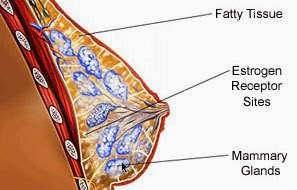
While estrogens are present in both men and women, they are usually present at significantly higher levels in women of reproductive age. They promote the development of female secondary sexual characteristics and are also involved in the thickening of the endometrium and other aspects of regulating the menstrual cycle. In males, estrogen regulates certain functions of the reproductive system important to the maturation of sperm and may be necessary for a healthy libido.

After menopause, women experience a reduction in estrogen and can face a host of problems like vaginal dryness, memory problems, hot flashes, fatigue, irritability, sudden surge of cholesterols and lower bone density. Most menopausal women are introduced to estrogen replacement therapy to boost the estrogen levels.
Sustained high levels of stimulating estrogen in women increases the risk that of developing endometrial cancer (cancer of the lining of the uterus) and the hormone can produce excess amounts of superoxide compound in the brain. Other associated symptoms are fluid retention, flagging energy, bloating and weight gain.
Those who had the uterus removed are usually given another medication called a progestin to take along. This may decrease the risk of developing endometrial cancer, but may suffer from side effects like breast cancer, heart attacks, strokes, blood clots in the lungs or legs, breast cancer and dementia.

Note that hormonal imbalance, especially from estrogen dominance, is not limited to women. Men are bombarded constantly with environmental hazards of environmental estrogen mimicking chemicals, known as xenoestrogens. When they interact with cellular receptor sites, the effects of true estrogen are blocked. To make matters worse, these endocrine disruptors lodge in fat cells where they are resistant to breakdown. They can act in a synergistic effect with other endocrine disrupters to create havoc at the cellular level, such as breast cancer for women and prostate cancer for men.
The most common sources of xenoestrogens include:
a. Commercially-raised animal products (eg. hairy crabs, poultry, salmon)
b. Styrofoam products, plastics and canned products (with plastic lining)
c. Personal Care Products (cosmetics, lotion, perfumes)
d. Oral Contraceptives
e. Pharmaceutical medications
f. Food Additives & preservatives
g. Laundry & Dishwashing detergents
h. Household cleaners & air fresheners
i. Pesticides & Herbicides
Effective ways to reduce estrogen loads:
+ A simple strategy is through diet, especially by increasing the intake of cruciferous vegetables, which include broccoli, cauliflower, cabbage, kale, bok choy, turnips, and mustard. They are known to contain indole-3-carbinol, a phytochemical that enhances environmental estrogen elimination, improves hormonal balance and protects against cancer.
+ Red wine is fermented with the resveratrol-containing grape skins present during fermentation. This substance blocks the effect of estrogen and can help to prevent the malignant growth of breast cancer in women.
+ Avoiding commercial meats and dairy products from hormone (bovine) injected animals is another important measure.
+ To help eliminate the toxins accumulated in the liver, drink lots of pure water from glass containers together with milk thistle whilst taking in more fibres from whole grains and legumes. Expedite the detoxification process in the cells with alkaline foods may be necessary for the average people.
Source: http://vivajoyhealthclub.wordpress.com/2011/12/16/still-wanna-eat-hairy-crabs/
Source: http://vivajoyhealthclub.wordpress.com/2011/12/16/still-wanna-eat-hairy-crabs/
Monday, December 16, 2013
Mini Lobster Contamination Warning
Subject: Mini Lobsters- DON'T EAT
Please be alert of this food item... It may infect your lung.
Do not eat these mini lobsters.
These mini crustaceans are literally the garbage cleaners in the sewage treatment plants.
The 'dirtier' the water, the fatter these mini lobsters become.
Their lungs are full of worms and their flesh saturated with poisonous metals.
Unscrupulous merchants somehow found a way to get these marketed to eateries.
Do not order this dish. Pass this to those friends who may want to try these mini 'lobsters'.


Commentary:
According to this emailed warning, people should not eat "mini lobsters" because these small crustaceans can cause serious infection in the lungs of those who consume them. The message claims that these particular type of crustaceans are the "garbage cleaners" in sewage treatment plants and are full of worms and saturated with "poisonous" metals. It warns that consuming the mini lobsters can cause lung infections.
Although there are elements of truth in this warning, it is also misleading and inaccurate. Consuming mini lobsters, which are also called crayfish, freshwater lobsters, "yabbies", and various other names, can indeed lead to lung fluke infections caused by the parasite Paragonimus. There are several species of Paragonimus, but the most common is Paragonimus westermani, or the Oriental lung fluke. Infection can cause very serious health problems in humans. An article about Paragonimiasis on the Stanford University website notes:

Not all mini lobsters (crayfish) are dangerously contaminated as suggested in this misleading and erroneous warning message
Following consumption of P. westermani, the larvae pass through intestines and into the lungs, causing the first symptoms of pneumothorax, pleural effusion, and eosinophilia. Later, once the worms are reproducing in the lung tissue, pulmonary infiltrates and hemoptysis occur, the sputum containing dark brown eggs. Without therapy, chronic infection could bring about pulmonary fibrosis, bronchiectasis, and persistent pleural effusion
However, not all crayfish are infected by Paragonimus as suggested in the warning message. Crayfish are commonly eaten in many parts of the world and are taken from many different freshwater sources including controlled environments such as aquariums and crayfish farms. Thus, it is certainly not true that all mini-lobsters live on sewerage and harbour Paragonimus or worms, nor are they all contaminated with "poisonous" metals. Literally thousands of crayfish meals are consumed at homes and eateries around the world every single day without causing illness or disease.
Moreover, it is not only crayfish that carry Paragonimus. Other crustaceans, including crabs, can carry the parasite. It can also be passed on via unhygienic food preparation and even by consuming infected meat from other animals such as boar. Also, the infection is generally passed on via raw or undercooked crustaceans or meat. Food that is properly cooked and prepared should not pass on Paragonimiasis. An article about Paragonimiasis on eMedicine.com notes:
Among the factors that facilitate the life cycle of the flukes and subsequent transmission of infection to humans are (1) large numbers of reservoir and intermediate hosts, (2) behaviors such as spitting, and (3) culinary habits. In Asia, raw and undercooked crab or crayfish are popular foods. In Korea and Japan, raw crayfish are used to treat measles, diarrhea, and skin conditions. Some tribes in Africa eat raw crustaceans to cure infertility. Peruvians eat raw crab with vegetables and lemon juice. Paragonimiasis may also be acquired by consuming raw meat from a paratenic host that contains young flukes (eg, wild boar as "shashimi"). Infection may also be transmitted via contaminated kitchen utensils (eg, cutting boards, knives) or from cloths used to squeeze and strain juices from crabs for the preparation of soup.
The Stanford University article concurs:
In Asia, an estimated 80% of freshwater crabs carry P. westermani . In Japan and Korea, the crab specie Eriocheir is an important item of food as well as a notable second intermediate host of the parasite. Food preparation techniques such as pickling and salting do not kill the infective organism. In China, the practice of eating "drunken crabs" is especially risky: in an experiment in which crabs were immersed in wine (47% alcohol) for 3-5 minutes, then after five days fed to cats and dogs, the infection rate was 100%.
Paragonimus has a quite complex life-cycle that involves two intermediate hosts as well as humans. Eggs first develop in water after being expelled by coughing or being passed in human feces. In the next stage, the parasite invades an intermediate host such as a species of freshwater snail. In a later stage, they emerge and invade another host such as crabs or crayfish. Finally, the may be passed onto humans to complete the cycle. Therefore, it is entirely possible for crustaceans that do not live in or near sewerage treatment plants to carry the parasite. In fact, crayfish populations are quite susceptible to water pollution, including sewage, so a sewage treatment plant would certainly not be an ideal environment for them as is suggested in the message.
Thus, although Paragonimiasis is a significant threat, especially in Asia, it is quite misleading to suggest that it is only passed on by mini lobsters. It is also inaccurate to claim that all mini lobsters are contaminated, when this is quite clearly not the case. Passing on misleading and inaccurate health-related information is counterproductive. For example, a person who has seen and believed this warning might forgo a properly cooked meal of crayfish and opt for a dish comprising raw crab - a dish much more likely to pass on the parasite than the cooked crayfish. It is therefore especially important that recipients check the validity of such health warnings before passing them on to others.
Monday, October 21, 2013


Tuesday, October 8, 2013

Monday, September 16, 2013
20,000 kilos of fake beef seized in Xi'an

The pork was treated with chemicals, including paraffin wax and industrial salts, to make it look like beef.
The factory sold over 1,500 kg of the fake beef to local markets at around 25 to 33 yuan per kilo. Six workshops producing the 'beef' have been shut down and the meat seized as evidence.
The news will come as particular concern to Xi'an's large Muslim community, who may have been buying some distinctly non-halal beef.
Source: http://shanghaiist.com/2013/09/14/20000_kilos_of_fake_beef_seized_in_xian.php
Thursday, March 7, 2013
Horrible Fact about KFC

Horrible Fact about KFC: KFC has been a part of American traditions for many years. Many people, day in and day out, eat at KFC religiously. Do they really know what they are eating? During a recent study of KFC done at the University of New Hampshire, they found some very upsetting facts. First of all, has anybody noticed that just recently, the company has changed their name?
Kentucky Fried Chicken has become KFC. Does anybody know why? We thought the real reason was because of the "FRIED" food issue.
IT'S NOT!!
The reason why they call it KFC is because they can not use the word chicken anymore. Why? KFC does not use real chickens. They actually use genetically manipulated organisms. These so called "chickens" are kept alive by tubes inserted into their bodies to pump blood and nutrients throughout their structure. They have no beaks, no feathers, and no feet. Their bone structure is dramatically shrunk to get more meat out of them. This is great for KFC.
Because they do not have to pay so much for their production costs. There is no more plucking of the feathers or the removal of the beaks and feet. The government has told them to change all of their menus so they do not say chicken anywhere. If you look closely you will notice this. Listen to their commercials, I guarantee you will not see or hear the word chicken. I find this matter to be very disturbing.
I hope people will start to realize this and let other people know .
Wednesday, March 6, 2013
Blood Sucker Stall at Genting Food Court

That day went to Genting, originally intended to find a Food Court to eat because the Food Court lot selection and delicious, just because lazy to find so I elected to this shop to eat ... See the many choices of food placed at, it looks like very good sauce, then go in and eat ... How could we know that to contend with when dealing with money, boy in front of a few Sotong, tofu and a glass of water, the price is more than more than 30!! Cauldron!! At that time I was thinking ... I get good material must be more than more than more than 40 or more than 50!! When my turn to pay, turned out to be RM53.35!!! Wow'm ye ~ ~ super expensive!!! Can't afford to not eat, is too far!! If on that day he received more than more than 30 blocks, I can also accept, after all, is a tourist resort and the high rental why.. However, more than 50 blocks too far!! Is a piece of "hybrid rice"!! Shop customers very much, is also the first time they went to eat!! I see ... Not how many people will visit this store again!! (Translated by Bing)
Subscribe to:
Posts (Atom)

 Posts
Posts


